Find Aluminum Thermostat Housing for Jeep Engines, Radiators, Cooling
Source 30 aluminum thermostat housing for Jeep options to compare OEM part numbers, cooling fluid compatibility, and IATF16949 certifications. Evaluate specifications like digital sensor types and sealed structures to ensure precise fitment for your vehicle maintenance needs; compare the available evidence and request quotations based on your requirements.
Key considerations
Products List


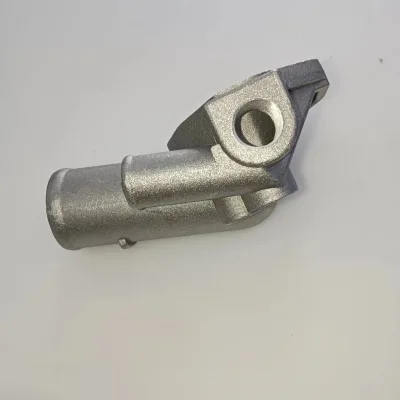
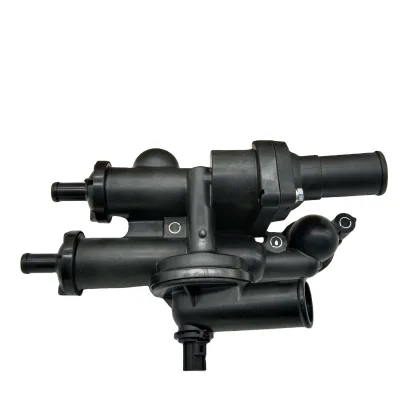
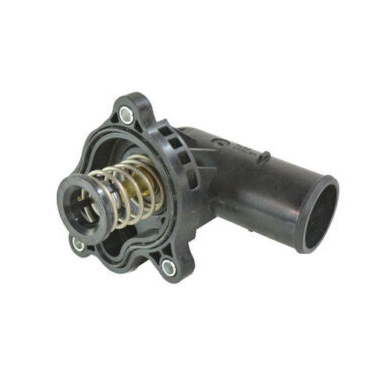
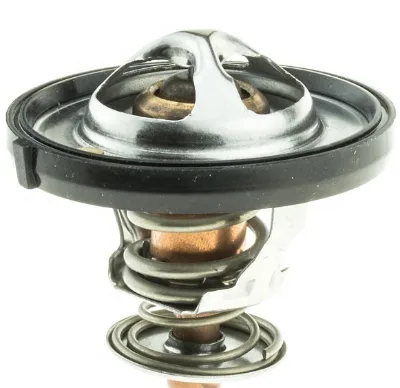
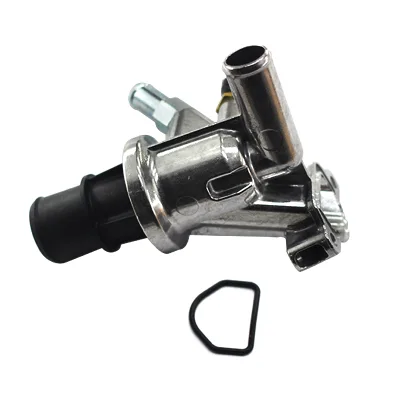
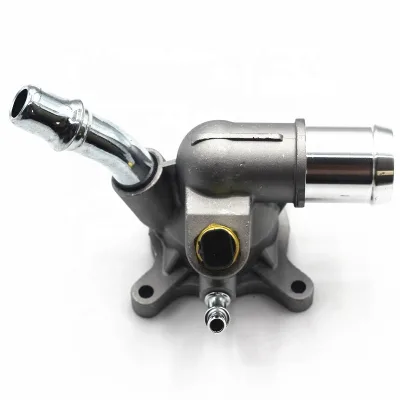


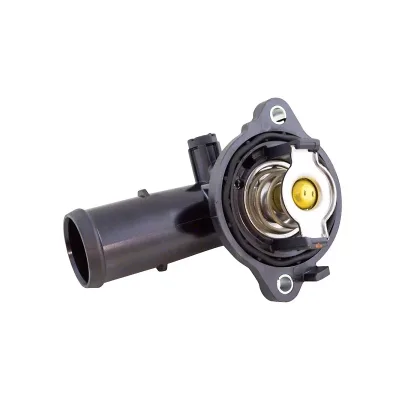
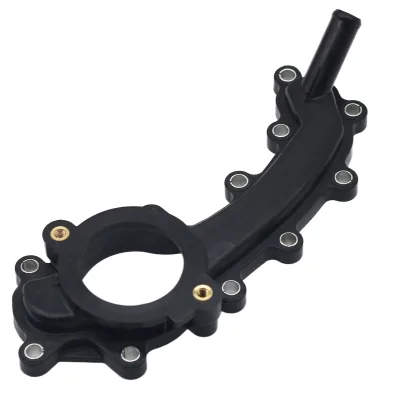
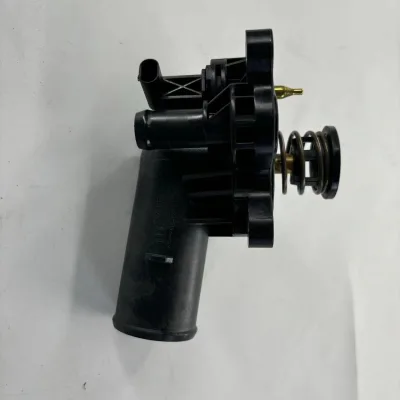
Comprehensive Sourcing Guide
Aluminum Thermostat Housing for Jeep Sourcing Guide
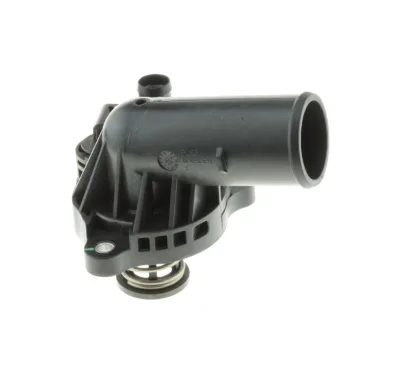
Procuring aluminum thermostat housings for Jeep vehicles requires precise alignment between OEM part numbers and the specific cooling architecture of the engine bay. The observed product data indicates a strong correlation with Jeep models, where the housing integrates directly with a bar and plate radiator core and utilizes a sealed structure to maintain system integrity. Buyers must verify that the selected unit matches the exact OEM number, such as 68003582AB or 4666149AA, to ensure compatibility with the vehicle's specific cooling fluid pathways and sensor interfaces.
The market listing signals reveal a diverse range of customization options, including digital water temperature sensors and specific thermostat assemblies that are either included or integrated into the housing unit. While some listings specify a single package size of 8x4x3 cm, others indicate larger dimensions of 20x20x10 cm, suggesting variations in packaging density or the inclusion of additional components like the thermostat itself. Sourcing strategies should prioritize suppliers who clearly distinguish between the housing material and the internal component quality, ensuring the aluminum body meets the high-performance standards required for Jeep's thermal management systems.
Product Scope and Observed Listing Signals
The product scope for these components centers on the replacement and repair of cooling systems, with a primary focus on the thermostat assembly and its housing. Listings consistently describe the body material as aluminum, often combined with plastic components, which is critical for balancing thermal conductivity with electrical insulation. The observed data highlights that the cooling fluid type is typically alcohol-based, and the radiator type is direct-flow, necessitating a housing that can withstand specific chemical interactions and flow dynamics without degrading over time.
Buyers should note that the observed price range spans from 1 to 46.56 USD, reflecting significant variance in quality, packaging, and included accessories. The minimum order quantity (MOQ) varies between 2 and 100 pieces, with some specific listings enforcing a strict 100-piece threshold for certain OEM numbers. This variability requires procurement teams to carefully evaluate whether they are purchasing a single replacement unit or a bulk inventory batch, as the unit economics and lead times will differ substantially based on the volume ordered and the specific model number selected.
Technical Specifications to Verify
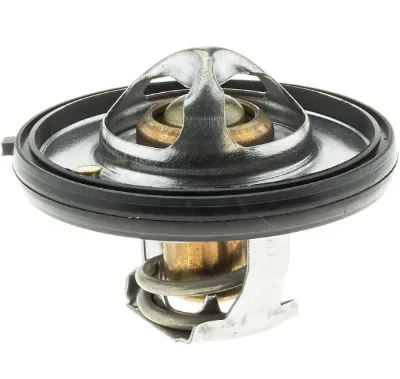
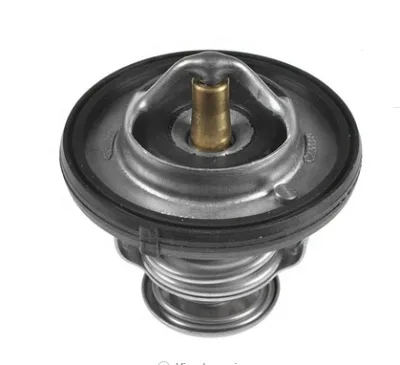
Technical verification must begin with the physical dimensions and weight, as the observed listings show a single gross weight of 0.5 kg and a specific size of 20.2 x 11.1 x 7.4 inches for certain configurations. The thermostat opening temperature is a critical parameter, with data indicating a standard activation point of 71 degrees, which must match the engine's operating requirements to prevent overheating or inefficient warm-up cycles. Buyers should confirm that the thermostat is included with the housing, as some listings specify "with thermostat" while others may only provide the housing shell, requiring separate sourcing of the valve mechanism.
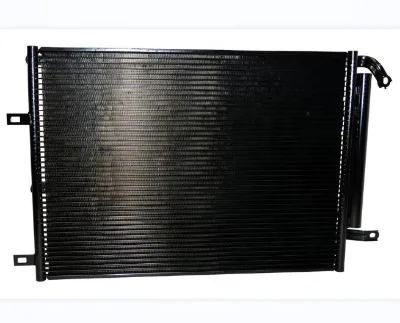
The structural integrity of the housing is defined by its sealed type design and the use of a bar and plate radiator core interface. It is essential to verify the water temperature sensor type, as the data points to a digital type sensor being a common feature in these assemblies. Additionally, the color is often listed as black or as pictured, but the material composition of metal and plastic must be confirmed to ensure the housing can handle the thermal expansion and contraction cycles typical of Jeep engines without cracking or leaking under pressure.
Compliance and Safety Documentation
Compliance documentation for automotive cooling components must include valid IATF 16949 certification, which is explicitly mentioned in the provided product facts as a key quality standard. This certification indicates that the manufacturing process adheres to rigorous automotive quality management systems, ensuring that the aluminum housing and its plastic components are produced under controlled conditions. Buyers should request current certificates from the supplier to verify that the production facility maintains these standards, as this is a primary indicator of the supplier's ability to deliver consistent, defect-free parts for safety-critical cooling systems.
In addition to quality management certifications, the product origin and place of origin must be clearly documented to assess supply chain transparency. The data indicates origins in both Anhui and Zhejiang, China, which are known manufacturing hubs for automotive parts. Procurement teams should verify that the supplier provides a Certificate of Origin and that the product condition is explicitly stated as "New" to avoid receiving refurbished or remanufactured units that may not meet the original safety specifications. Ensuring these documents are present before finalizing an order is vital for maintaining warranty coverage and regulatory compliance in the destination market.
Cost Drivers and Commercial Terms
Cost drivers for aluminum thermostat housings are heavily influenced by the MOQ requirements and the complexity of the customization options available. While some suppliers offer low MOQs of 2 pieces, others enforce a 100-piece minimum, which significantly impacts the unit price and total investment required. The inclusion of specific features, such as the digital water temperature sensor or the thermostat assembly itself, adds to the base cost, as does the choice between neutral and customized packaging. Buyers must calculate the total landed cost, including shipping and potential duties, to determine the true economic viability of different supplier options.
Commercial terms regarding delivery time and warranty are equally critical for supply chain planning. The observed delivery time ranges from 7 to 15 days, which allows for relatively quick replenishment but requires accurate forecasting to avoid stockouts. A standard warranty of 12 months is typically offered, providing a safety net against premature failure, but buyers should clarify the specific terms of this warranty, including what constitutes a defect and the process for claims. Understanding these terms helps in negotiating better payment conditions and ensuring that the supplier is committed to the long-term reliability of the parts supplied.
Supplier Qualification and Quality Control
Supplier qualification should prioritize manufacturers who demonstrate a clear track record in producing automotive cooling components with high-performance standards. The data suggests that many suppliers offer customization services, allowing for tailored solutions that meet specific Jeep model requirements. Buyers should assess the supplier's ability to maintain consistent quality across batches, as the "High Performance as OEM" claim implies a need for strict adherence to original equipment specifications. Verifying the supplier's production capacity and their history of fulfilling orders for the automotive sector is essential to mitigate the risk of supply disruptions.
Quality control processes must be robust, focusing on the integrity of the aluminum body and the sealing mechanisms of the housing. Since the product is described as a sealed type, any failure in the sealing process could lead to coolant leaks and engine damage. Buyers should request quality control reports that detail the inspection of the thermostat opening temperature, the structural integrity of the bar and plate interface, and the compatibility of the digital sensor. Establishing a clear quality agreement with the supplier, including acceptance criteria for defects, is a necessary step to ensure that every delivered unit meets the rigorous demands of Jeep's cooling systems.
Long-Term Procurement Checks
Long-term procurement success depends on establishing a reliable relationship with suppliers who can consistently meet the evolving needs of the Jeep market. Buyers should regularly review the supplier's ability to maintain the IATF 16949 certification and their capacity to adapt to changes in OEM part numbers, such as the transition from 68003582AB to newer variants. Continuous communication regarding inventory levels and lead times is crucial, especially given the variability in MOQs and the potential for supply chain fluctuations. Building a partnership based on transparency and mutual growth ensures a steady supply of high-quality components.
Regular audits of the product quality and performance are necessary to validate the "High Quality" claims made in the listings. Buyers should implement a system for tracking field performance, monitoring for any recurring issues related to the thermostat assembly or the housing material. This data-driven approach allows for proactive adjustments to the procurement strategy, ensuring that the aluminum thermostat housings continue to perform reliably in the field. By maintaining a focus on continuous improvement and rigorous quality checks, buyers can secure a competitive advantage in the aftermarket for Jeep cooling components.
FAQs
What is the body material of the aluminum thermostat housing?
The body material is aluminum, ensuring durability and efficient heat dissipation for Jeep applications. This construction supports high performance as OEM standards require. The assembly also includes metal and plastic components to maintain structural integrity during operation.
Which certifications do the thermostat assemblies hold?
The products hold ISO and IATF16949 certifications, verifying compliance with automotive quality management standards. These credentials ensure the sealed type thermostat assemblies meet rigorous safety and performance benchmarks required for reliable vehicle cooling systems.
Can I request customized packaging for these thermostat parts?
Yes, customization is available for packaging needs, including neutral or customized packing options. Buyers can specify requirements to suit their logistics or branding strategies while maintaining the high quality and new condition of the thermostat assemblies.
What is the lead time for delivery of these parts?
The delivery time ranges from 7 to 15 days after order confirmation. This lead time applies to the standard production cycle for the thermostat assemblies, ensuring timely supply for repair or replacement purposes in the automotive sector.
Which models of Jeep are compatible with these thermostats?
These thermostats are designed for Jeep models, matching specific OEM numbers like 68003582AB and 4666149AA. The size is OEM standard, ensuring a direct fit for various Jeep vehicles requiring a 71-degree thermostat for optimal engine temperature control.
What is the minimum order quantity for these thermostat assemblies?
The minimum order quantity is 100 pieces for this specific product listing. This MOQ applies to the sealed type thermostat assemblies, allowing buyers to secure bulk inventory for wholesale distribution or large-scale repair operations.
How long is the warranty period for these thermostat parts?
The warranty period is 12 months, covering defects in material and workmanship. This guarantee applies to the new condition thermostat assemblies, providing buyers with assurance of quality and reliability for their automotive cooling system replacements.